









See Connections That Change Your Day

Welcome! Today we dive into Everyday Systems Thinking, a friendly way to spot patterns, feedback, and leverage in ordinary routines. From coffee-making to team meetings, you will learn to map causes, test tiny shifts, and create calm ripples of improvement that stick, without waiting for perfect conditions or heroic willpower.

Small Changes, Big Cascades

In complex daily life, modest adjustments often snowball because actions interact through reinforcing and balancing loops. When keys always land in one bowl, departures speed up; when bedtime slides, mornings unravel. We will translate abstract diagrams into playful, household experiments that reveal structure, shorten delays, and build momentum gently, reducing stress while preserving flexibility and joy.

Seeing the Invisible Structure

From Symptoms to Structure

Dishes pile up not because people forget, but because the drying rack is always full, which discourages washing, which keeps it full. That’s a balancing loop jammed by a bottleneck. Increase rack capacity, add a draining mat, or schedule a timed emptying pulse.

Map Before You Move

Before changing anything at work, draw how requests arrive, who decides, where they wait, and what rework causes. Even a two-minute sketch reveals leverage, like reducing handoffs or clarifying acceptance criteria, saving hours later and protecting goodwill with stakeholders and teammates.

Signals, Not Noise

Track leading indicators that move earlier than results: bedtime consistency, processing rate, cycle time, or energy after meals. By choosing one or two sensitive gauges, you feel shifts sooner, steer calmly, and avoid overreacting to random fluctuations or outlier days.

Leverage Hiding in Plain Sight

Powerful change often comes from redefining goals, adjusting information flows, and redesigning defaults. Inspired by classic systems insights, we will favor elegant moves over brute force: nudge cues into the path of behavior, shorten feedback delays, and make the better choice the easier, more visible, pleasantly automatic choice.

Rename the Goal

When I reframed exercise from burning calories to protecting mood clarity for afternoon meetings, skipping lost its appeal. By upgrading the goal, reinforcing feedback flipped direction. You can do similar with saving for freedom hours instead of vague prudence, unlocking daily enthusiasm.

Change the Default

Move the phone charger outside the bedroom, pre-pack gym shoes in the doorway, and set your grocery app to reorder staples automatically. These defaults tilt the landscape, so desired actions become the path of least resistance, repeatedly compounding benefits without extra decisions.

Make Feedback Immediate

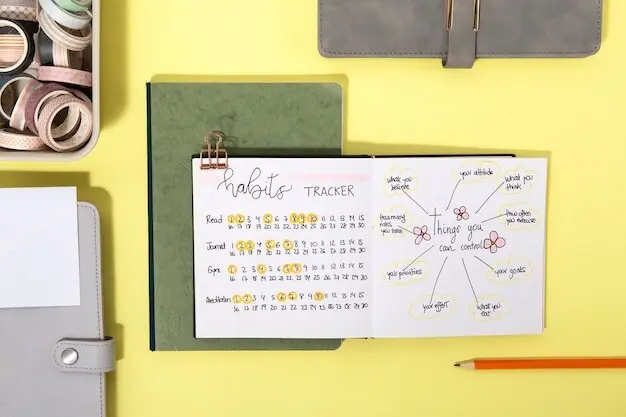
Shorten the distance between action and insight. Use a simple habit tracker, a visible progress bar for a project, or a kitchen timer that chimes when small batches finish. Faster signals help corrections arrive earlier, preventing runaway drift and discouragement.

Working Smarter With Flow

Shorten the Cycle

Ship smaller slices this week and measure lead time. Faster feedback reduces uncertainty, cuts rework, and improves morale, because celebrating tiny wins fuels the next experiment. Protect timeboxes fiercely, and you will notice dependencies shrinking and customer conversations becoming clearer and kinder.

Policies Shape Behavior

A simple work‑in‑progress limit prevents silent queues from ballooning. A crisp “definition of done” ends thrash. Rotating facilitators democratize meetings. These small rules function as system constraints that channel energy productively, create breathable pace, and make success feel collaborative rather than accidental.

Make Work Visible

Use a board that shows options, doing, and done. Tag blocked items loudly. Visual cues transform ambiguity into shared understanding, enabling teammates to help where it matters. Transparency also deters overcommitment, because limits become concrete, negotiated openly, and respected by everyone involved.

Neighborhoods, Nature, and Shared Loops

Beyond our doors, systems connect recycling habits, traffic, green space, and social trust. When we tune local feedback—like real‑time transit data or visible waste metrics—collective behavior shifts. Modest, well‑placed nudges multiply across households, improving health, safety, and climate outcomes without sacrificing convenience or dignity.
Consider a park’s litter cycle: bins overflow, visitors see mess, more litter appears. Installing larger bins, increasing pickup frequency, and posting playful progress thermometers flips the loop. Tidy begets tidy, and neighbors feel proud, building a resilient norm stronger than occasional campaigns.
Apartment energy dashboards that compare floors nudge friendly competition. When residents see yesterday’s usage trend and costs, conservation becomes immediate, not abstract. Pair the display with tips near light switches, and watch small actions accumulate into meaningful savings and more cooperative hallway conversations.

Design Your Next Tiny Experiment

Pick one nagging friction. Name the loop, choose a leverage point, and define a visible signal. Commit for seven days. Share your map and results in the comments, invite a friend to join, and subscribe for fresh prompts that keep curiosity flowing.

Choose a Loop Worth Loving

Select something emotionally meaningful, like evening calm or confidence during first calls. Stronger feelings power persistence. Write a one‑sentence purpose, post it somewhere visible, and revisit it daily, so the system remembers why the experiment matters when novelty inevitably fades.

Craft the Intervention

Pick exactly one move: change a default, add a cue, or shorten feedback. Prepare materials in advance. Tell a buddy to create social proof. Simplicity reduces cognitive load, ensuring the loop strengthens rather than splinters into scattered, half‑finished intentions.

Measure, Reflect, Share

Track one leading indicator daily and a single outcome weekly. Write a quick reflection on what amplified or dampened the loop. Post your insights below, help another reader troubleshoot, and subscribe for monthly roundups of clever experiments from this growing community.

Rinotelizori
Privacy Overview

This website uses cookies so that we can provide you with the best user experience possible. Cookie information is stored in your browser and performs functions such as recognising you when you return to our website and helping our team to understand which sections of the website you find most interesting and useful.